Oreka.vn · Aug 2023 – Present
Product-page Q&A for a marketplace without chat
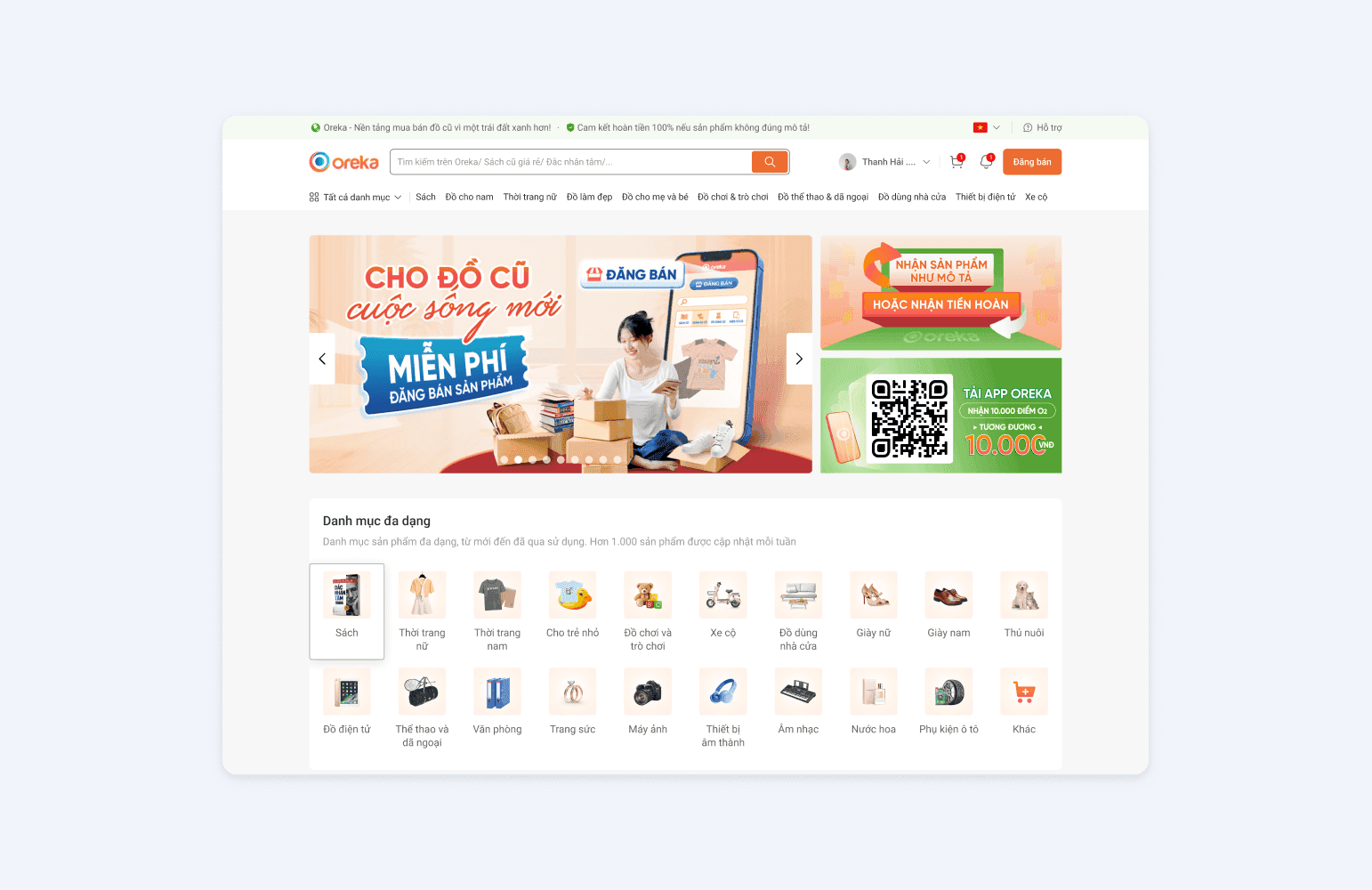
Oreka.vn is a Vietnamese marketplace for second-hand goods that handles the whole process for buyers, from listing to delivery. For security reasons Oreka can't offer chat between buyers and sellers, so every question about an item had to be relayed by the operations team. I designed a Q&A feature that lets buyers ask sellers right on the product page, leaving operations to handle exceptions only.
- ROLE
- UI/UX Designer
- TIMELINE
- [TBD]
- TEAM
- [TBD]
- OUTCOME
- −70%
- manual operations work
The problem
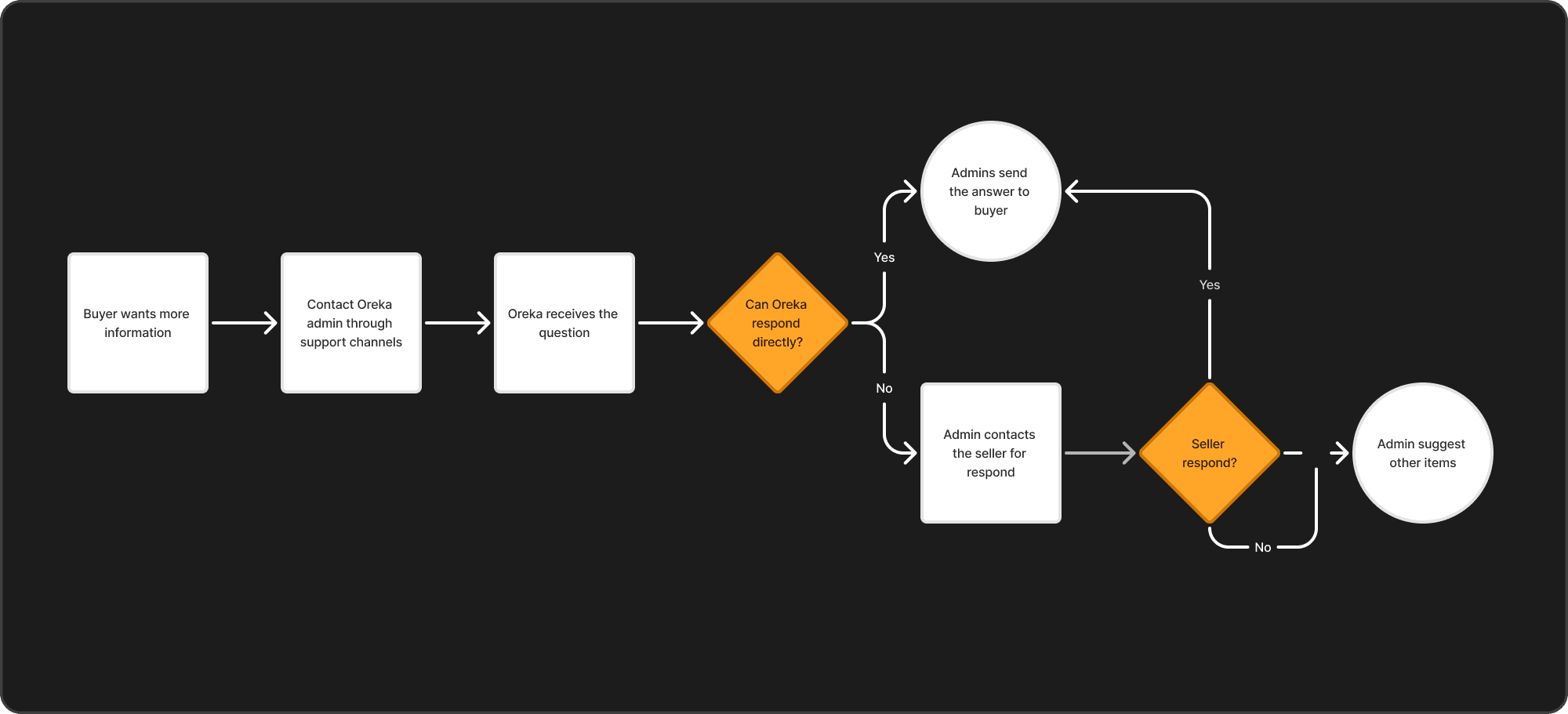
To learn more about an item, a buyer messaged an admin through support; the admin answered if they knew, otherwise contacted the seller, waited, and relayed the reply. Buyers left because it was slow, operations was overloaded relaying messages by hand, and listings from individual sellers were often thin, which meant even more questions. What was missing wasn't a chat channel: each answer reached only the one person who asked, so the next buyer asked the same question again.
Before & after
The old flow put at least one intermediary between every question and its answer. The new flow lets buyers ask directly on the product page and sellers answer themselves.
[TBD: a new-flow diagram at the same size as image 01, to pair with it in a before/after slider]
Process
Four phases, one question: how can buyers ask sellers without chat, and without operations standing in the middle of every question? [TBD: total duration and MVP launch date]
- ResearchDiscoverGathered feedback on the old flow from buyers, sellers and operations, then looked at how competitors handle Q&A [TBD: competitor names].
- InsightDefineThe gap wasn't the lack of chat. Each answer reached a single person, so the same question kept coming back, and every time it went through operations.
- DesignDesignSketched six directions (listing guidance, reply templates, chatbot, question history, price offers, public comments) and logged the benefits and risks of each. Chose public comments together with the engineering team.
- TestingValidatePrototype test with 5 buyers and 5 sellers: 9 of 10 finished the task unaided, buyers took 90 seconds on average and sellers about 120; satisfaction 9/10 and 8/10. Logged four fixes.
Solution
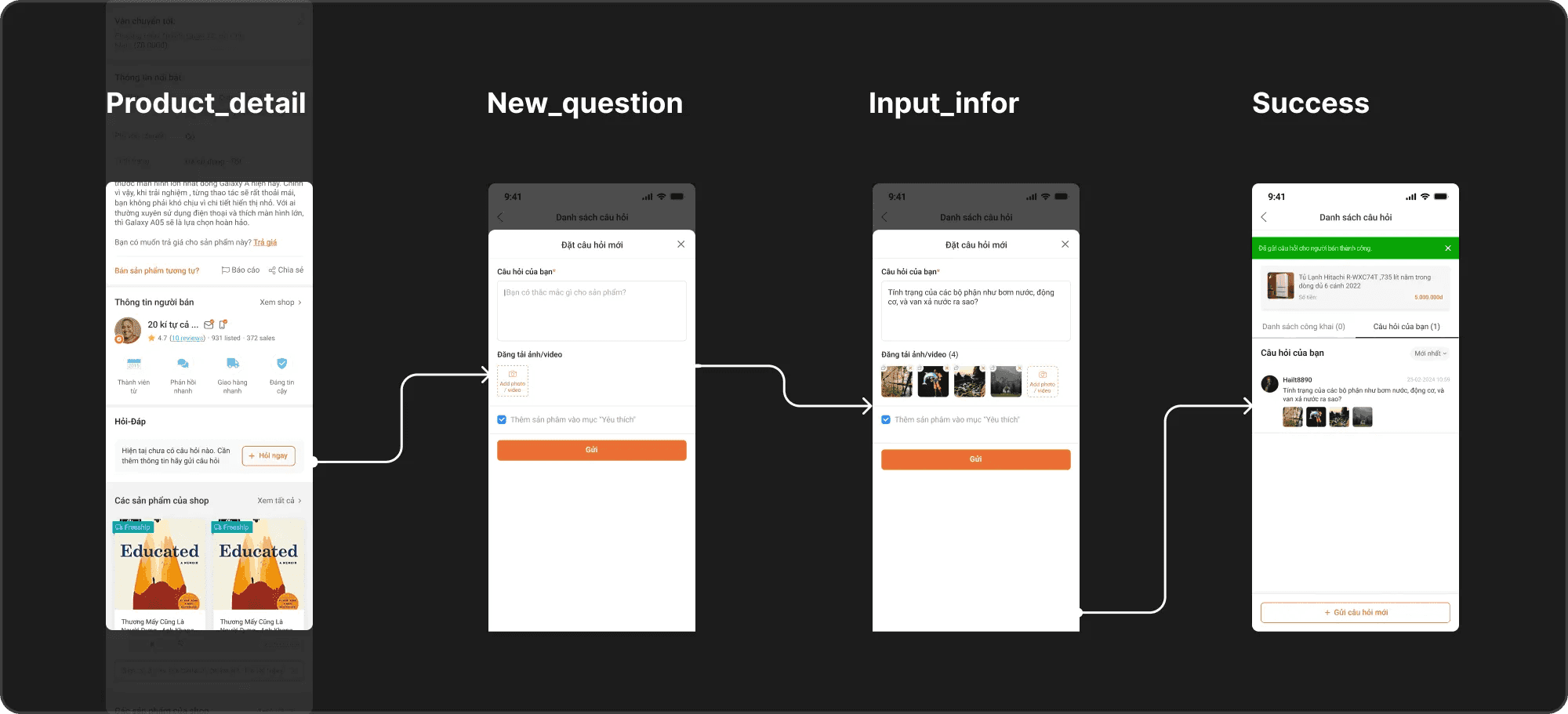
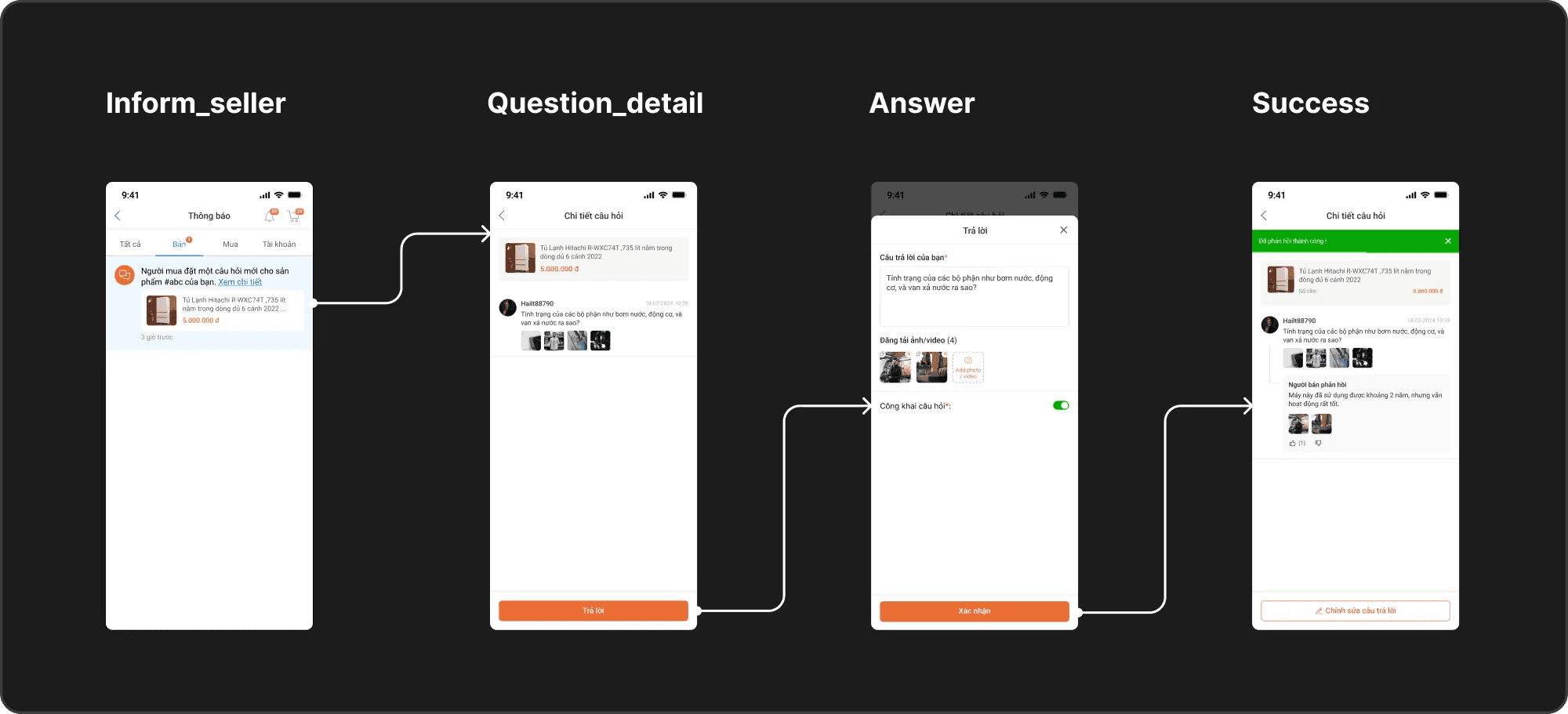
Because an answer reached only one person, I turned it into a shared asset: public questions show to every later buyer, private ones only to the buyer and seller involved. Three decisions: buyers ask right on the product page, just below the seller info, with photos or video attached; sellers tap a notification to reach the question, reply, and switch on "Make question public" so one answer serves many buyers; operations only moderates, gets a Slack alert when questions hit the 20 mark, and calls sellers who haven't replied within 24 hours. The flow runs on the app, desktop web and mobile web, with admin screens for operations.
Results
In the first phase after launch, both metrics set at the start met or beat their targets. A CSAT survey with real users is running.
Takeaways
- One public answer does the work of many private ones. Public comments kept the upside of "question history" without adding work for admins.
- The direction that fixes the root cause isn't always the one to build first. Guiding sellers to write better listings targets the real cause, but could put individual sellers off listing at all.
- A small sample finds friction; it doesn't prove anything. Ten testers can't settle a result, but they were enough to surface four fixes before launch.
You might also like
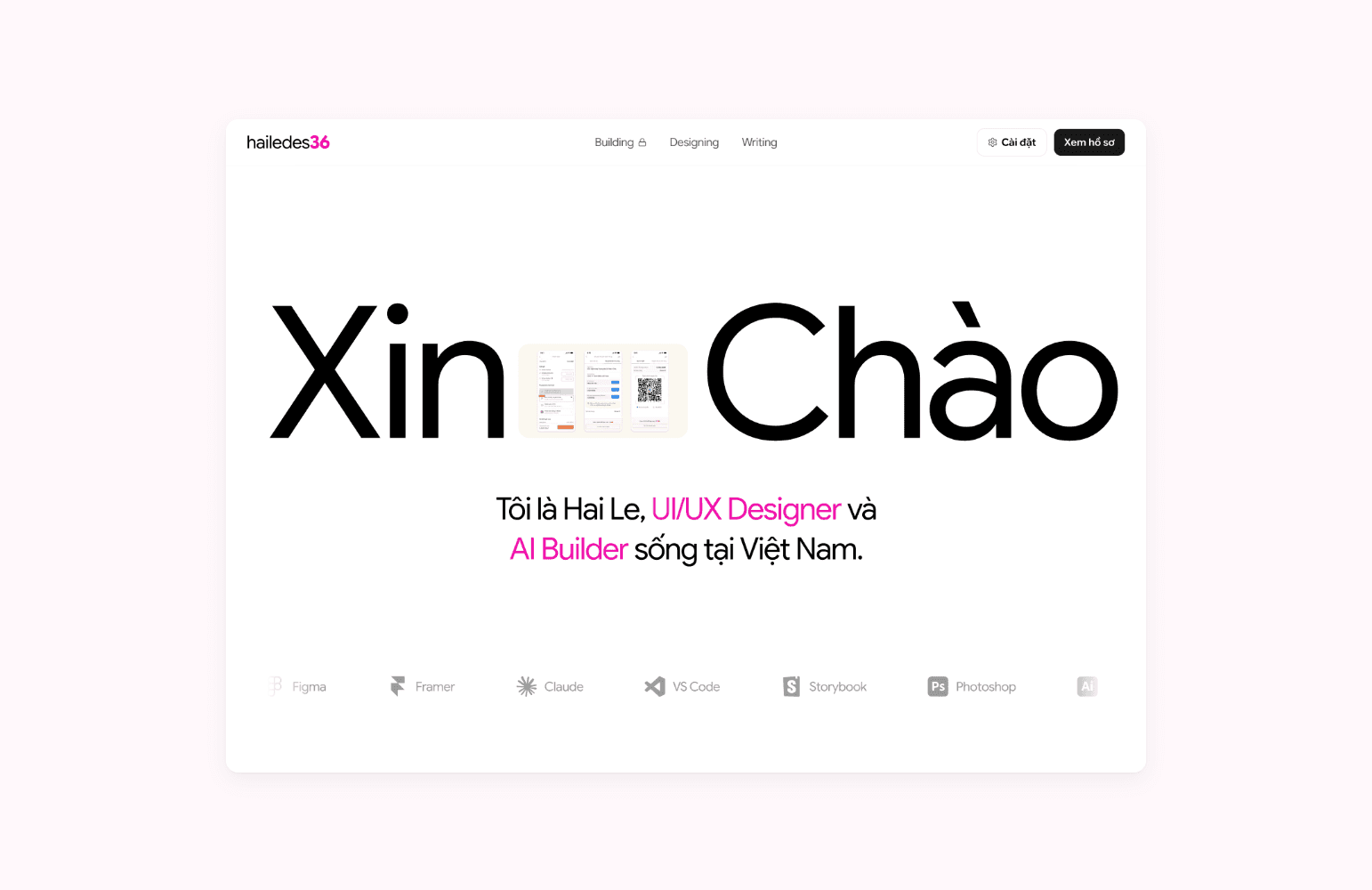
Building this portfolio 100% with Claude and VS Code
I researched, designed, coded and shipped this bilingual portfolio on my own, using only Claude, VS Code, Git and Vercel.
Personal project· 2026
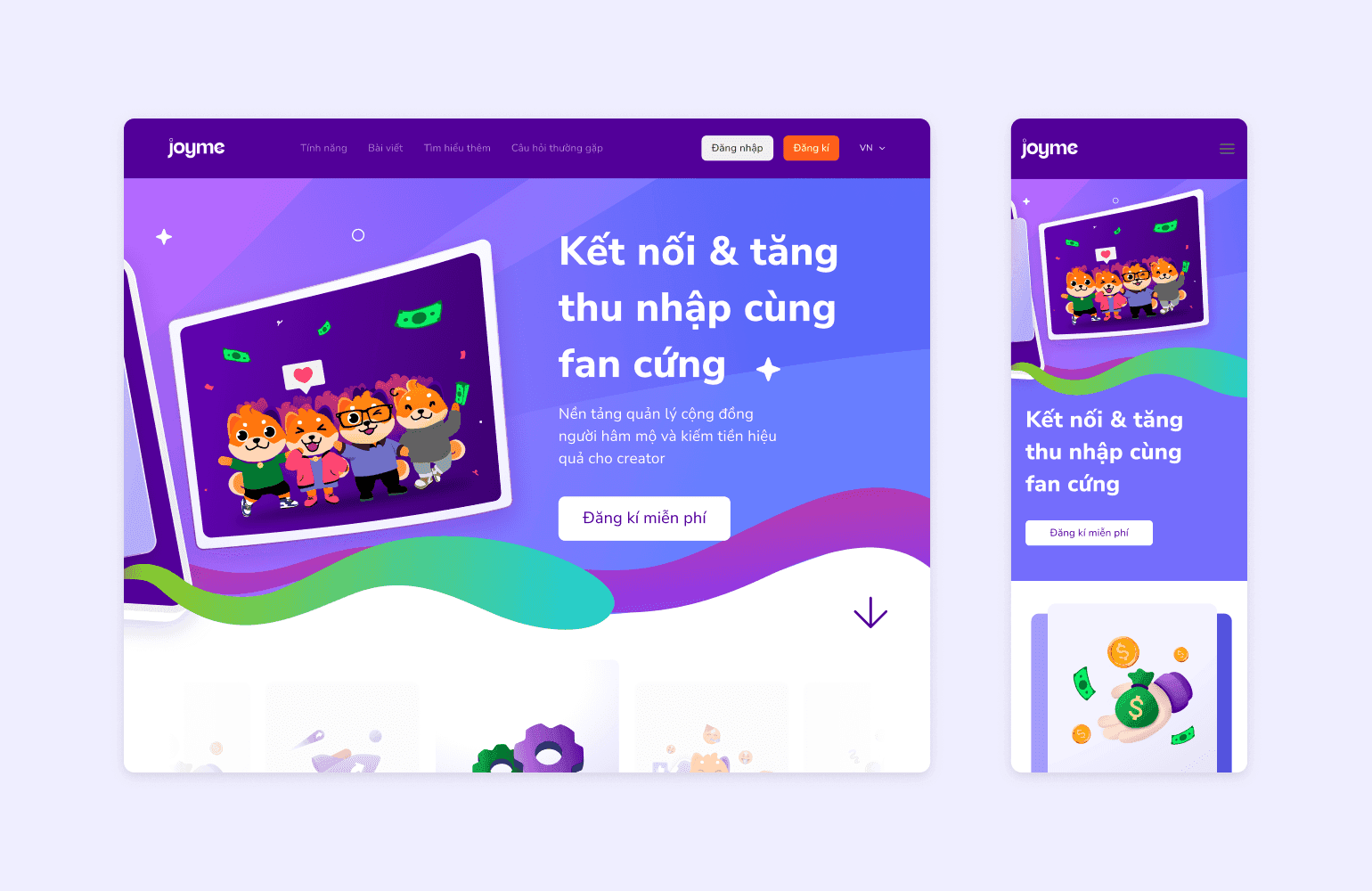
Designing the first version of Joyme in three months
I did UX research, UX, UI and the design system for Joyme, a platform where KOLs and KOCs build a personal page and get paid by their fans.
Joyme.io· 2022
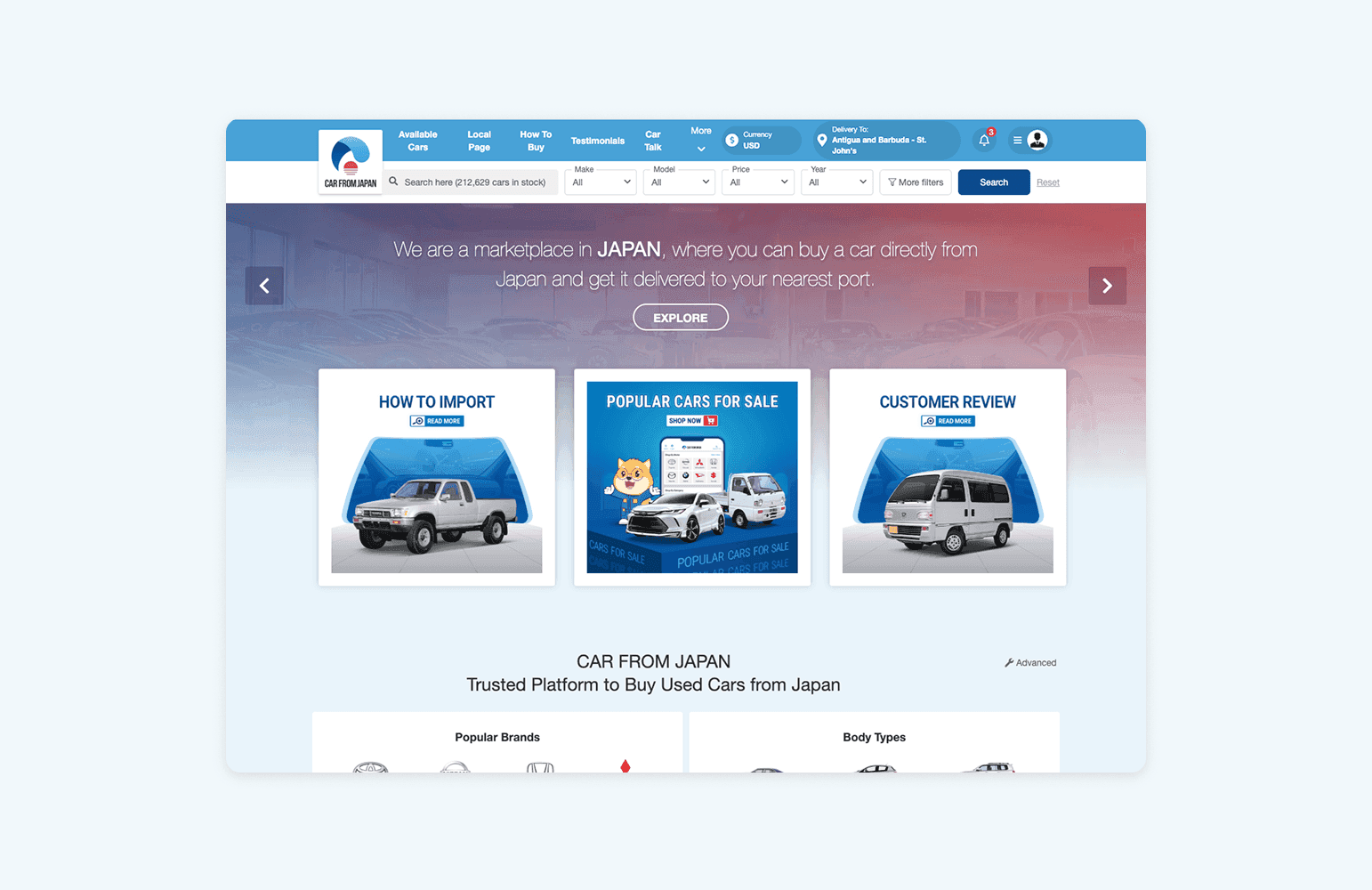
Redesigning the inquiry form to reduce drop-off
About 90% of Carfromjapan.com users left at the inquiry form. I redesigned the button, form and confirmation; the new flow is in an A/B test.
Carfromjapan.com· 2023